A beard transplant moves 1,000 to 2,500 follicles from the back of your scalp into the beard area, placed one at a time at a sharp angle so they lie flat like natural facial hair.
It is permanent and the hair grows normally — you shave and trim it as usual. The main limits are your donor supply and the fact that transplanted beard hair keeps the texture of scalp hair, which is often finer than native beard hair.
This guide from HairX Clinics covers who it suits, realistic graft numbers by area, and the trade-offs worth knowing before you book.
Who is a beard transplant for?
- Patchy growth — gaps along the cheeks or jawline that never fill in
- Scarring from acne, injury or surgery leaving bare areas
- Genetically sparse beards where growth has never been dense
- Shaping — extending the beard line or thickening a moustache
- Cleft or scar gaps in an otherwise full beard
How many grafts by area
| Area | Typical graft range |
|---|---|
| Moustache only | 350 – 700 |
| Goatee / chin | 600 – 1,200 |
| Cheeks (both sides) | 600 – 1,200 |
| Sideburns | 200 – 500 |
| Full beard reconstruction | 2,000 – 3,000 |
| Filling scars or small gaps | 200 – 600 |
These are planning ranges. The actual number depends on how dense the surrounding native beard is, how coarse your donor hair is, and how large the gap is.
Why beard angle is different from scalp work
Beard hair emerges at a much sharper angle than scalp hair — often close to 10 to 20 degrees, nearly flat against the skin. Scalp hair sits closer to 45 degrees.
Direction also changes across the face: hairs on the cheeks sweep downward and slightly back, the moustache grows downward and outward from the centre, and the chin has its own pattern. Facial skin is softer and more mobile than the scalp, which makes controlling depth harder.
Get the angle wrong and hairs stand out from the face instead of lying along it — the single most common reason a beard transplant looks off.
Healing and growth timeline
| Period | What to expect |
|---|---|
| Days 1–5 | Small crusts at each graft; some redness and swelling |
| Days 7–10 | Crusts clear; face looks largely normal |
| Weeks 2–6 | Transplanted hairs shed — expected, not a failure |
| Months 3–4 | New growth starts, fine at first |
| Months 6–9 | Noticeable density and thickening |
| Months 12 | Final result |
Shaving is usually restricted for the first couple of weeks to protect the grafts. Your clinic will give you a specific timeline — follow it, because grafts are most vulnerable in the first ten days.
The honest limits
Texture. Scalp hair is generally finer and straighter than native beard hair, which tends to be coarser and curlier. In a full reconstruction this is less noticeable because everything is transplanted. Filling a gap in an existing thick beard is where a texture difference can show.
Donor supply is shared. Grafts used on your beard are grafts unavailable for your scalp later. If you have a family history of male pattern baldness, think about that trade-off now rather than at 40.
Density has a ceiling. A transplanted beard will not usually match the density of a naturally thick beard. It fills gaps and creates a fuller, even appearance — it does not manufacture an unusually heavy beard from nothing.
Some grafts will not survive. Facial skin is mobile and grafts sit shallowly. A modest touch-up session is not unusual — ask about the clinic’s policy before booking.
Check your donor supply before planning a beard
At HairX Clinics we assess your donor density and scalp pattern together, so beard grafts are planned without compromising future scalp coverage.
Frequently asked questions
Can I shave normally afterwards?
Yes, once healed. Transplanted beard hair grows continuously like scalp hair, so it needs regular shaving or trimming. It behaves like your own hair because it is your own hair.
Will it match my existing beard colour?
It comes from your scalp, so it matches your natural colour and greys with age like the rest. Texture may differ slightly more than colour.
Does it work on acne scars?
Often yes, provided the scar tissue has adequate blood supply. Heavily scarred or keloid tissue can reduce graft survival, so a clinical assessment of the specific scar is needed before promising a result.
Is FUE or DHI better for beards?
Both are used. DHI implanter pens give fine control over the acute angle facial hair needs, which is why many surgeons prefer them for beard work. Either can work well in experienced hands — see our FUE vs DHI comparison.
How long before I can go back to work?
Visible crusting typically clears within 7 to 10 days. Many people take a week off or work remotely during that period. Redness can persist a little longer in fair skin.
How much is a beard transplant?
A beard transplant is priced by graft count like any other transplant, and a typical case uses 1,000 to 2,500 grafts — a patchy cheek fill at the lower end, a full beard design at the upper — which places it below a comparable scalp case simply because the numbers are smaller. The figure that matters more than the price is what those grafts cost you elsewhere: they come from the same donor area at the back of your scalp, so a beard case spends donor supply you may want later for your hairline.
The bottom line
A beard transplant is a permanent, straightforward way to fill patchy growth — but it draws on the same limited donor supply as your scalp.
Before booking, ask how many grafts are being taken and what that leaves for your scalp in future. And make sure whoever is placing them understands that facial hair sits almost flat against the skin.
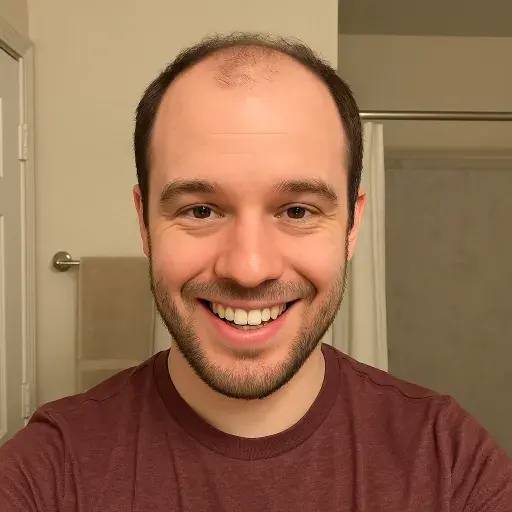
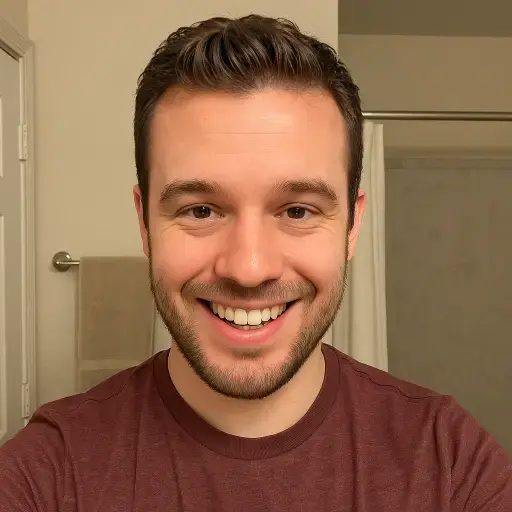
See your result before you book. A full year of it, from photos on your phone.
HairX is the first hair transplant clinic in the world to show you the twelve-month result and the graft count you need before you speak to anyone. It is free and it takes minutes. The report covers your stage of hair loss, what your donor area can realistically give, and how the result comes in month by month, including the third month, when it looks worse before it gets better.