 Turkey
 Dr. Muhammet Tümren
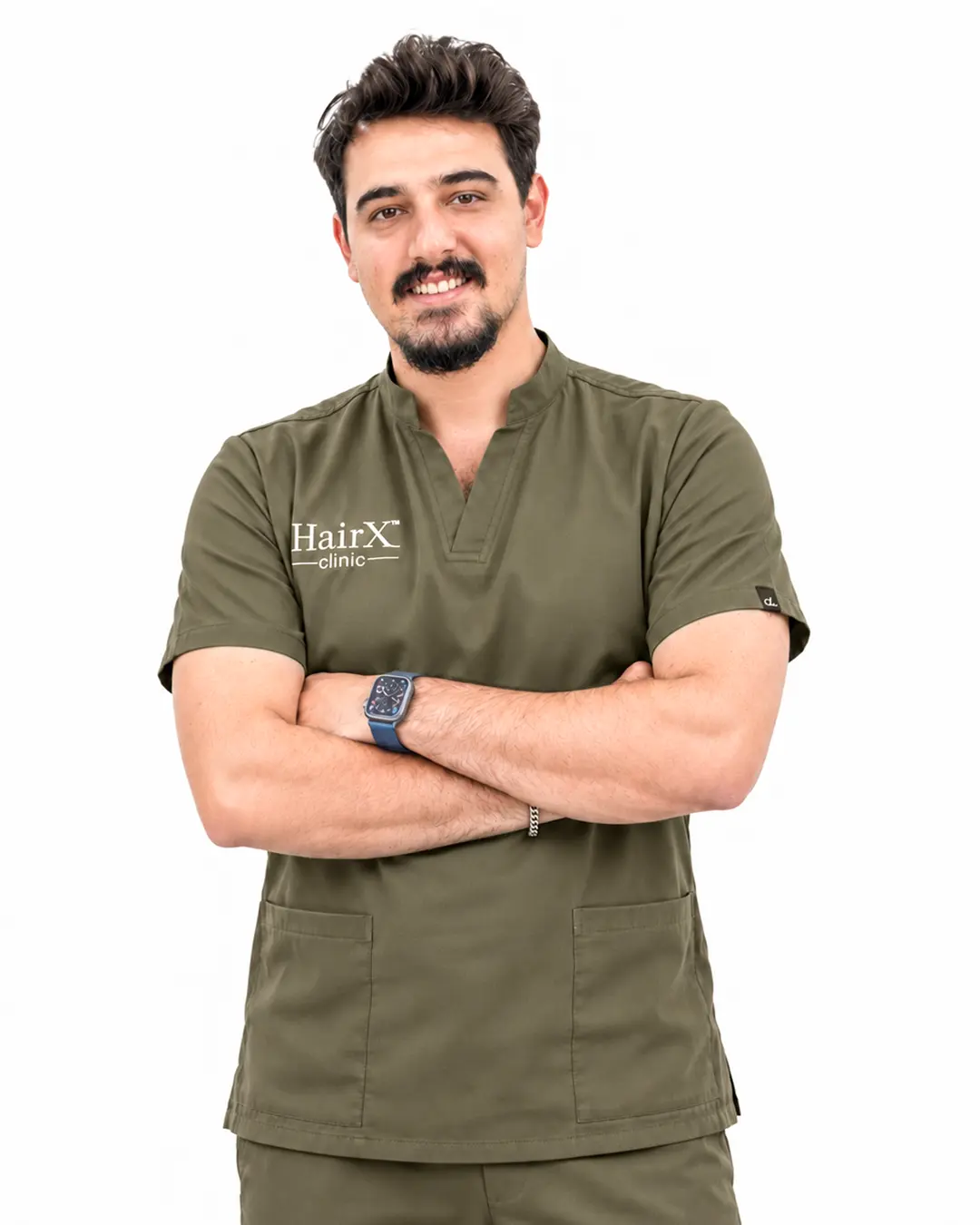
Dr. Muhammet Tümren, anaesthesiology and hair transplant specialist with the Turkish team at HairX Clinics, New Cairo, Giza and Beni Suef.
Book consultationAbout Dr. Muhammet Tümren
Dr. Muhammet Tümren is a specialist in emergency medicine and anaesthesiology and a hair transplant specialist, and part of the Turkish team working with HairX Clinics in Egypt. A hair transplant is a long session, often most of a day, and his role is the part of it patients rarely think about in advance: that you stay comfortable, stable and properly monitored from the first anaesthetic injection to the end of the implantation.
What he works on at HairX
- Local anaesthesia and sedation protocols for long transplant sessions
- Monitoring patients throughout the procedure
- Pre-operative assessment of medical history, medication and anaesthetic risk
- Hair transplantation with FUE and DHI techniques alongside the surgical team
What your consultation looks like
Before the day of surgery you are asked about chronic conditions, current medication, previous reactions to anaesthesia and anything that could affect bleeding or healing. It is not paperwork for its own sake: it decides the anaesthetic plan and, occasionally, whether the session should be postponed. On the day, anaesthesia is given in stages and topped up so that the area stays numb for the whole session.
FUE, DHI and Sapphire: what the technique means for the session
All three techniques used at HairX move individual follicular units from the donor area at the back and sides of the head to the areas that have thinned. They differ in how the grafts are placed. In FUE, the grafts are extracted one by one and placed into small channels that are opened beforehand. In DHI, each graft is loaded into an implanter pen and placed directly, so extraction and implantation are closer together and the surrounding hair can often be kept longer. In the Sapphire method, the channels are opened with sapphire blades, which allows a finer incision and closer placement where density is the priority.
Dr. Tümren’s part in the choice is the anaesthetic plan behind it. A DHI session, where extraction and implantation run close together, and an FUE session, where channels are opened first and the grafts placed afterwards, differ in length and in how the day is sequenced, and the anaesthesia is planned around that. Larger graft numbers mean a longer session and more top-ups; a staged case means two shorter days rather than one long one. Whatever the surgical team proposes, his job is that the area stays numb, you stay comfortable and your vital signs are monitored from the first injection to the last graft.
Seeing the result before you book: the 12-month AI preview
Before any consultation, in person or online, you can use the free AI hair analysis on this site. You upload five photographs of your scalp, taken in daylight with dry, unstyled hair: the front, both sides, the crown from above and the donor area at the back. The report shows how your hair could look at day one, month three, month six and month twelve, rendered on your own photographs rather than on a stock model, and it estimates the number of grafts each zone would need: hairline, temples, frontal area, mid-scalp and crown, each with its own figure and a total. You keep it as a PDF whether or not you ever contact the clinic.
The preview is a planning aid, not a diagnosis. Photographs show that donor hair is present, but they cannot measure how many follicles per square centimetre are really there, and that number sets the ceiling on every plan. They also cannot tell whether the loss has stopped, and they know nothing about your medical history. That is where Dr. Tümren’s pre-operative assessment comes in: the graft estimate gives a first idea of how long the session may run, and the questions about chronic conditions, medication and previous anaesthesia decide how it is planned.
Booking and follow-up
Procedures take place at HairX in New Cairo, Giza and Beni Suef, Open daily, 10:00–23:59. Patients travelling to Egypt can start with the free AI hair analysis on this site and an online consultation, and the clinic can arrange accommodation and transfers. Any medical question about anaesthesia or your fitness for the session can be raised before you book.
عن د. محمد تومرين
د. محمد تومرين أخصائي طب الطوارئ والتخدير وأخصائي زراعة شعر، وعضو في الفريق التركي العامل مع عيادات HairX في مصر. زراعة الشعر جلسة طويلة قد تستغرق معظم اليوم، ودوره هو الجانب الذي نادرًا ما يفكر فيه المريض مسبقًا: أن تظل مرتاحًا ومستقرًا وتحت مراقبة دقيقة من أول حقنة تخدير حتى انتهاء زراعة البصيلات.
ما يقوم به في HairX
- بروتوكولات التخدير الموضعي والتهدئة للجلسات الطويلة
- مراقبة المريض طوال مدة الإجراء
- التقييم قبل العملية للتاريخ المرضي والأدوية ومخاطر التخدير
- زراعة الشعر بتقنيتي FUE و DHI مع الفريق الجراحي
كيف تسير الاستشارة
قبل يوم العملية تُسأل عن الأمراض المزمنة والأدوية التي تتناولها وأي ردود فعل سابقة تجاه التخدير وأي شيء قد يؤثر على النزيف أو الالتئام. وهذه ليست إجراءات شكلية: فهي التي تحدد خطة التخدير، وقد تحدد أحيانًا ضرورة تأجيل الجلسة. وفي يوم العملية يُعطى التخدير على مراحل ويُجدَّد بما يضمن بقاء المنطقة غير حساسة طوال الجلسة.
FUE وDHI والسفير: ماذا تعني التقنية لسير الجلسة
تعتمد التقنيات الثلاث المستخدمة في HairX على نقل وحدات بصيلية منفردة من المنطقة المانحة في مؤخرة الرأس وجانبيه إلى المناطق التي خفّ فيها الشعر. والفرق بينها في طريقة وضع البصيلات. في تقنية FUE تُستخرج البصيلات واحدة واحدة ثم توضع في قنوات صغيرة تُفتح مسبقًا. وفي تقنية DHI تُحمَّل كل بصيلة في قلم زراعة وتُغرس مباشرة، فيقترب الاستخراج من الغرس ويمكن غالبًا إبقاء الشعر المحيط أطول. أما تقنية السفير فتُفتح فيها القنوات بشفرات من الياقوت الأزرق، مما يتيح شقًا أدق وتقاربًا أكبر بين البصيلات حين تكون الكثافة هي الأولوية.
دور د. محمد تومرين في هذا الاختيار هو خطة التخدير التي تقف خلفه. فجلسة DHI، حيث يتقارب الاستخراج والغرس، وجلسة FUE، حيث تُفتح القنوات أولًا ثم توضع البصيلات، تختلفان في المدة وفي تسلسل اليوم، ويُخطَّط التخدير على هذا الأساس. فالأعداد الأكبر من البصيلات تعني جلسة أطول وجرعات تكميلية أكثر، والحالة الموزعة على مرحلتين تعني يومين أقصر بدلًا من يوم طويل. وأيًا كان ما يقترحه الفريق الجراحي، فمهمته أن تظل المنطقة غير حساسة، وأن تبقى مرتاحًا، وأن تُراقَب علاماتك الحيوية من أول حقنة حتى آخر بصيلة.
رؤية النتيجة قبل الحجز: المعاينة بالذكاء الاصطناعي على مدى 12 شهرًا
قبل أي استشارة، حضورية كانت أو عبر الإنترنت، يمكنك استخدام تحليل الشعر المجاني بالذكاء الاصطناعي على هذا الموقع. ترفع خمس صور لفروة رأسك، ملتقطة في ضوء النهار والشعر جاف وغير مصفف: الواجهة الأمامية، والجانبان، والتاج من الأعلى، والمنطقة المانحة من الخلف. يعرض التقرير كيف يمكن أن يبدو شعرك في اليوم الأول والشهر الثالث والسادس والثاني عشر، على صورك أنت لا على نموذج جاهز، ويقدّر عدد البصيلات التي تحتاجها كل منطقة: خط الشعر، والصدغان، والمنطقة الأمامية، ومنتصف الفروة، والتاج، لكل منها رقمها الخاص ومجموع إجمالي. وتحتفظ بالتقرير بصيغة PDF سواء تواصلت مع العيادة بعد ذلك أم لا.
هذه المعاينة أداة للتخطيط وليست تشخيصًا. فالصور تُظهر أن الشعر المانح موجود، لكنها لا تستطيع قياس عدد البصيلات في السنتيمتر المربع الواحد، وهذا الرقم هو الذي يحدد سقف أي خطة. كما لا تستطيع الصور أن تحسم ما إذا كان التساقط قد توقف، ولا تعرف شيئًا عن تاريخك المرضي. وهنا يأتي دور التقييم الذي يجريه د. محمد تومرين قبل العملية: فتقدير عدد البصيلات يعطي فكرة أولى عن مدة الجلسة المتوقعة، أما الأسئلة عن الأمراض المزمنة والأدوية والتخدير السابق فهي التي تحدد كيف تُخطَّط الجلسة.
الحجز والمتابعة
تُجرى العمليات في فروع HairX بالقاهرة الجديدة والجيزة وبني سويف، من السبت إلى الخميس، من 10:00 صباحًا حتى 8:00 مساءً. ويمكن للقادمين إلى مصر البدء بتحليل الشعر المجاني بالذكاء الاصطناعي على الموقع ثم استشارة أونلاين، كما تستطيع العيادة ترتيب الإقامة والانتقالات. وأي سؤال طبي عن التخدير أو مدى لياقتك للجلسة يمكن طرحه قبل الحجز.
See your result before you book. A full year of it, from photos on your phone.
HairX is the first hair transplant clinic in the world to show you the twelve-month result and the graft count you need before you speak to anyone. It is free and it takes minutes. The report covers your stage of hair loss, what your donor area can realistically give, and how the result comes in month by month, including the third month, when it looks worse before it gets better.